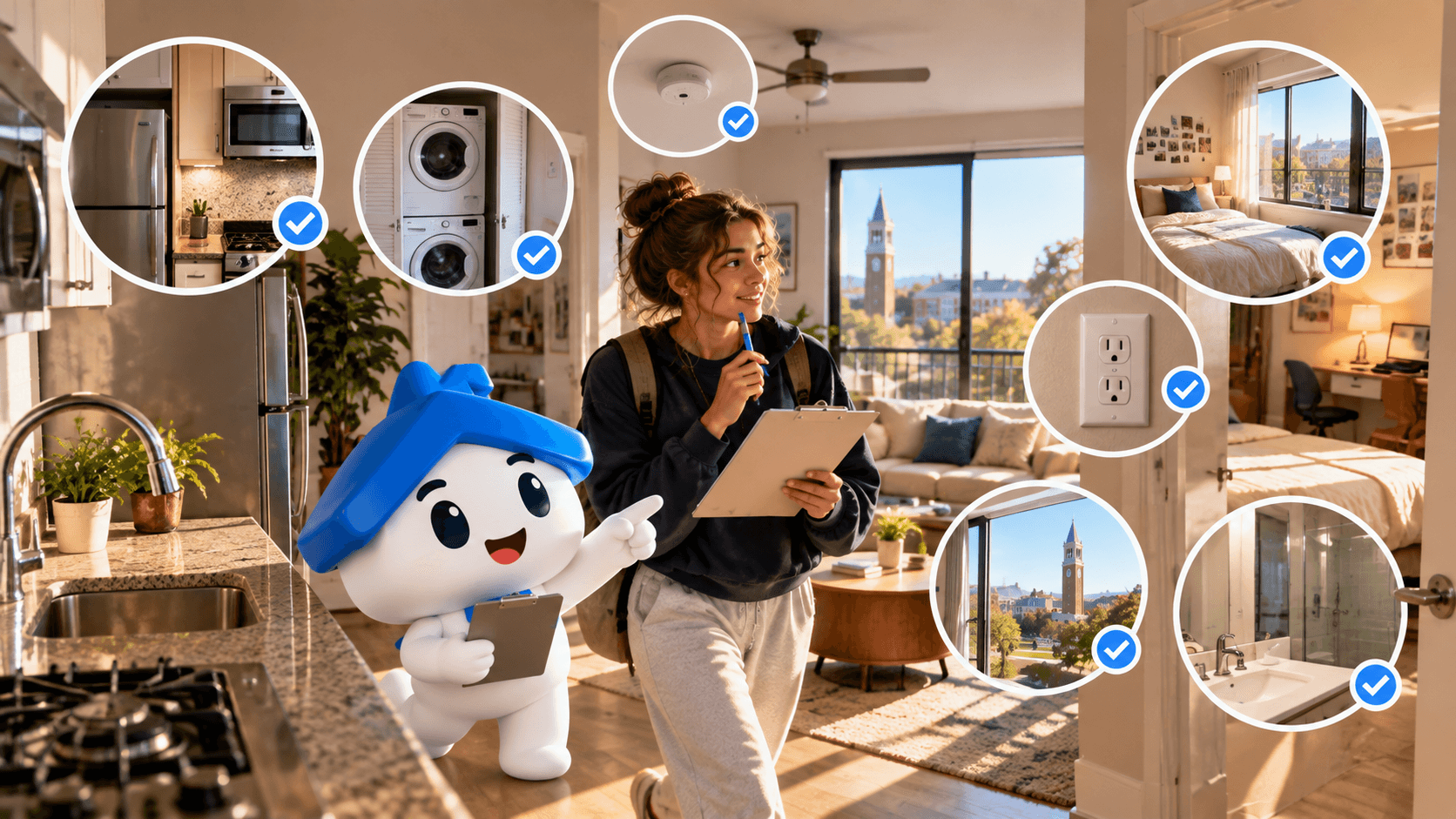
The Rise of Subleasing in Student Housing

Tentunit Team
Tentunit Editorial
June 18, 20262 min read117 views
What was once considered an occasional situation is now something that happens regularly throughout the academic year. Students move for internships, study abroad programs, co-op semesters, graduation timing, athletic schedules, and changing living situations. As a result, short term housing transitions have become far more common across student communities.
This shift has created a growing sublease market near many universities.
In large student housing markets, thousands of students search for temporary housing every semester. At the same time, many students who already signed leases look for someone to take over their space before their lease term officially ends.
The challenge is that subleasing often remains highly fragmented.
Many students still rely on social media posts, group chats, spreadsheets, or informal messaging to find subtenants. Information becomes outdated quickly, communication gets scattered, and listings can be difficult to verify.
For property operators, subleasing can also create operational complexity during already busy leasing periods.
Availability changes rapidly. Communication increases. Unit tracking becomes more active. Lease timing overlaps become more common. In high turnover student housing environments, even small delays in communication or updates can affect occupancy management.
At the same time, demand for flexibility continues increasing.
Today’s students expect faster communication, more transparent information, and housing processes that feel easier to navigate digitally. Many students are also planning housing around internships, travel opportunities, and changing academic schedules, which naturally creates greater demand for flexible leasing arrangements.
This does not mean traditional leasing is disappearing.
Long term leases still remain the foundation of most student housing communities. However, subleasing has clearly become a larger operational and market factor than it was in the past.
As student housing continues evolving, flexibility and faster coordination are likely to become increasingly important across many university markets in the years ahead.
Share this article