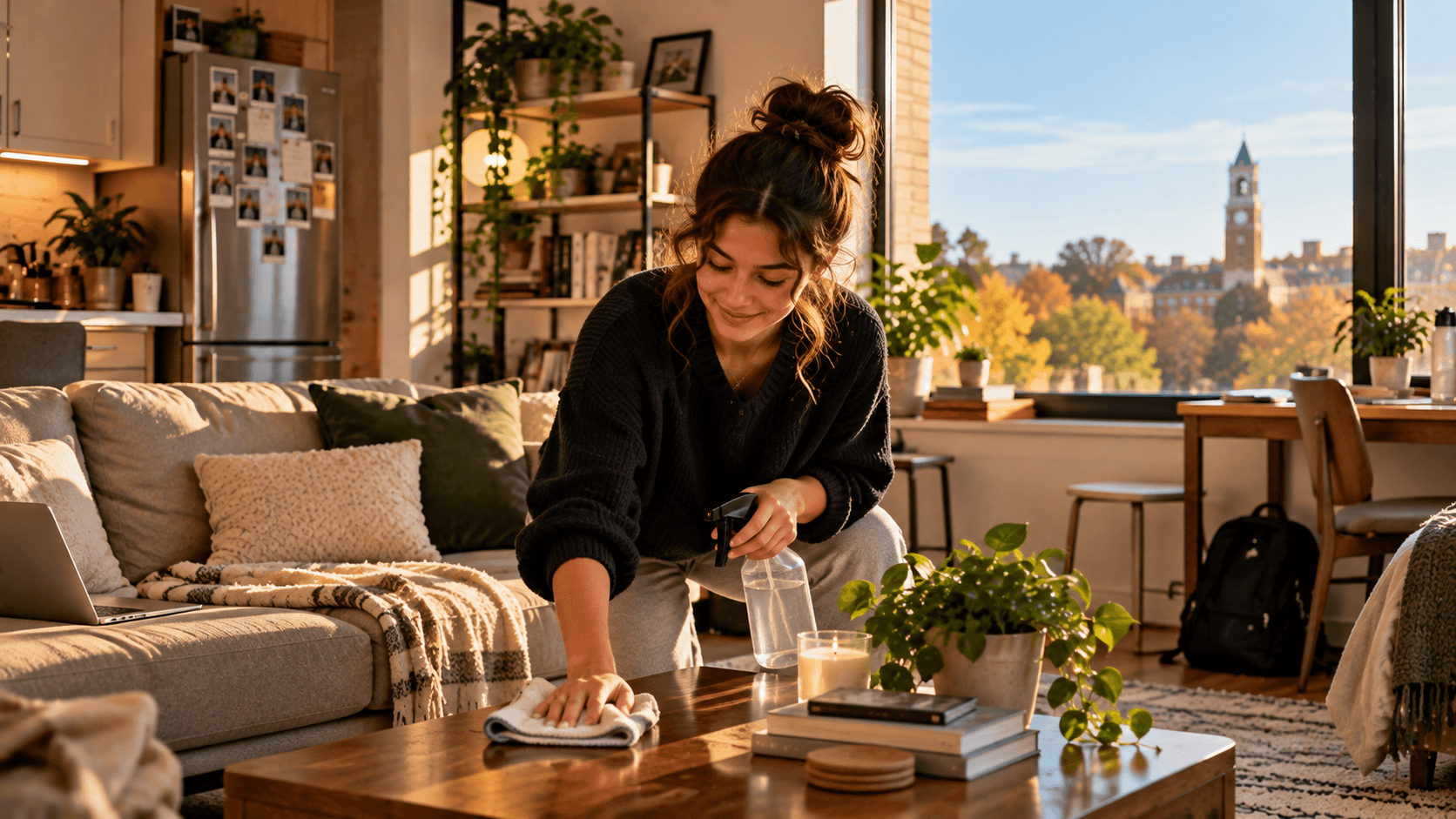
Building a Better Daily Routine in Your Student Apartment

Deniz Barış Ejderoglu
Tentunit Editorial
College life often comes with an unpredictable schedule of classes, assignments, extracurricular activities, social events, and personal responsibilities. While flexibility is an important part of the student experience, having a comfortable daily routine can make those responsibilities easier to manage. Your apartment plays a surprisingly important role in creating that structure because it is where you begin and end many of your days. A living environment that supports your habits can help you stay organized, maintain focus, and find time to recharge between activities. Establishing a routine does not mean following a rigid schedule every day. Instead, it means identifying a few consistent habits that make your daily life feel more manageable, even when your academic workload or personal commitments change throughout the semester.
The beginning of the day is a useful place to develop those habits. Simple actions such as making your bed, opening the curtains, preparing breakfast, and reviewing your schedule can create a sense of organization before you leave the apartment. Students who attend morning classes may benefit from preparing essential belongings the previous evening, while those with later schedules might prefer beginning the day with exercise or a focused study session. The physical arrangement of your apartment can make these routines easier to maintain. Keeping frequently used items in accessible locations, creating an organized entrance area, and ensuring that your workspace remains ready for use can reduce unnecessary distractions. Small conveniences often make a bigger difference than complicated productivity systems.
Another important part of building a sustainable routine is creating boundaries between different activities. When studying, eating, relaxing, and sleeping all happen in the same apartment, those activities can easily overlap. Establishing a specific workspace, even if it is only a small desk or designated corner, can help create a mental distinction between academic responsibilities and personal time. Similarly, keeping shared living areas organized makes it easier to relax after a busy day. Students living with roommates may find it helpful to communicate about quiet hours, shared spaces, and everyday expectations so that individual routines can coexist comfortably. These conversations do not need to be overly formal; simple communication can make shared apartment living significantly more pleasant.
The best routines are the ones that adapt to your lifestyle rather than forcing your lifestyle to adapt to them. During examination periods, you may need more dedicated study time, while quieter weeks can provide opportunities to explore campus activities or spend time with friends. Your apartment should remain a comfortable environment through those changes. Choosing student housing that supports your preferred schedule, studying habits, and social preferences can make establishing routines easier from the beginning. Platforms such as Tentunit help students explore housing opportunities with their individual needs in mind. Ultimately, a good student apartment is more than a convenient location near campus; it is a space that supports personal growth, independence, and the everyday habits that shape a successful college experience.